
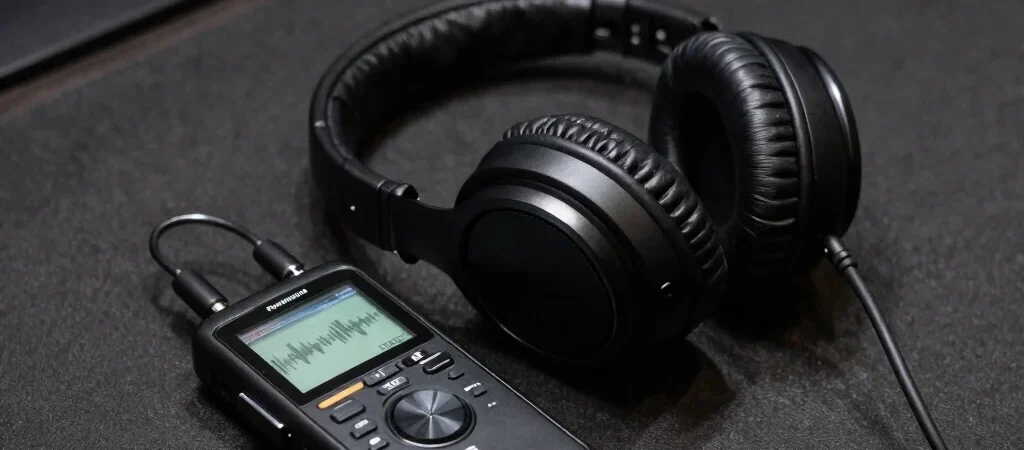
On headphones, the moment before a vocal enters can be as revealing as the first line. There might be a breath, a faint rustle, or a low wash of room noise that a cleaner mix could have removed. Those sounds are not automatically signs of a live recording or a particular studio setup. They are details worth following.
Listen Between the Lines
On a second listen, pay attention to what happens at the edges of the beat: a vocal inhale before the downbeat, a reverb tail that crosses into the next bar, or a sound that sits farther back than the main vocal. These details can create a sense of distance and space without changing the song’s basic arrangement. A phone speaker may flatten that depth, so headphones or a quiet room can help.
Keep the Imperfect Details
A little noise can make a close vocal feel more human, while a clean edit can make the same performance feel deliberately distant. Neither approach is inherently better; the useful question is whether the texture supports the feeling of the track. Listen for what repeats, what disappears, and what the mix leaves exposed.
Make Space for the Tail
Try replaying the final few seconds instead of skipping as soon as the last lyric ends. A fading chord, a cut-off ambience, or even a sudden silence can change how the whole track lands. The room around a sound is part of the arrangement, too.